
Product Photography Pricing Guide 2026
What Drives Product Photography Costs
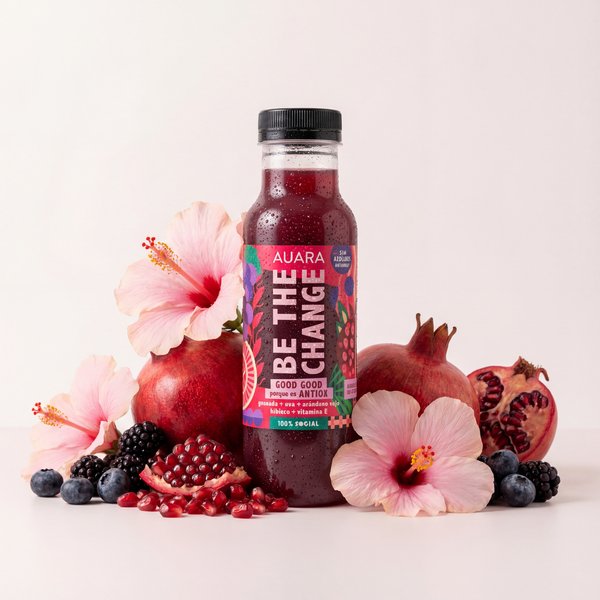
Product photography pricing varies wildly depending on the type of shoot, the complexity of the product, and the production quality required. A simple white-background product shot costs a fraction of a styled lifestyle image with models and props. Understanding these cost drivers helps you budget accurately and avoid overpaying.
- Shoot type: studio, lifestyle, on-model, or flat-lay
- Volume: per-image pricing drops significantly at scale
- Complexity: simple products vs multi-component or reflective items
- Post-production: basic retouching vs advanced compositing
- Usage rights: web-only vs full commercial licensing
- Turnaround time: rush fees can add 25-50% to the total
Studio Product Photography Pricing
Traditional studio product photography remains the most common approach for brands that need absolute control over lighting, angles, and composition. Pricing models vary: some studios charge per image, others per product, and some offer day rates.
- White background (per image): 15 to 50 EUR
- Styled product shot (per image): 50 to 150 EUR
- Studio day rate (photographer only): 800 to 2,500 EUR
- Full production day (photographer + stylist + studio): 2,000 to 5,000 EUR
- Post-production retouching: 10 to 40 EUR per image
- Typical output: 20 to 40 finished images per full production day
Info
Studio pricing in major European cities (London, Paris, Barcelona) runs 20 to 40% higher than regional markets. Remote studios in smaller cities can offer significant savings for the same quality level.
Lifestyle Product Photography Pricing
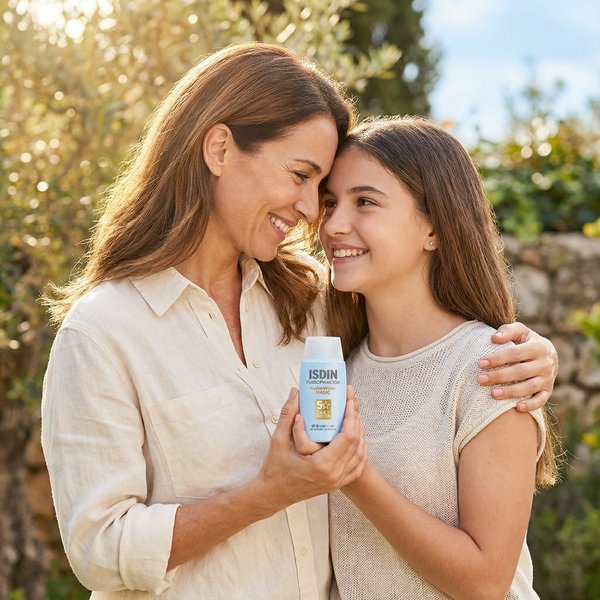
Lifestyle product photography places products in real-world contexts to tell a story. This type of imagery performs well on social media and landing pages where emotional connection drives engagement. It is also significantly more expensive than studio work due to the additional production requirements.
- Location scouting and permits: 200 to 1,500 EUR
- Model fees: 300 to 2,000 EUR per model per day
- Styling and props: 200 to 1,000 EUR
- On-location photographer day rate: 1,200 to 4,000 EUR
- Total per lifestyle image (fully loaded): 100 to 500 EUR
- Typical output: 10 to 20 finished images per shoot day
On-Model and Flat-Lay Photography Pricing
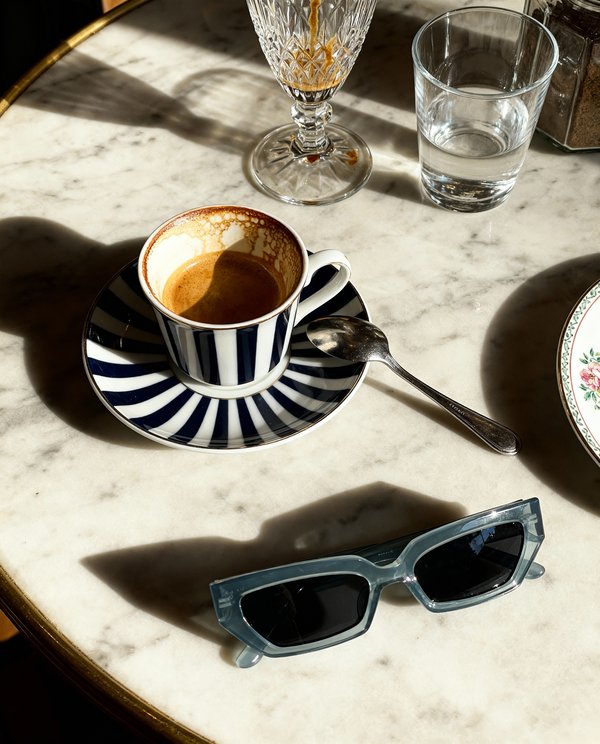
On-model photography is essential for fashion, apparel, and accessories. It communicates fit, scale, and styling in ways that flat product shots cannot. Flat-lay photography, on the other hand, offers a cost-effective middle ground: more engaging than white-background shots, but without the expense of hiring models.
- On-model (per look): 75 to 200 EUR including model fees
- Ghost mannequin (per image): 15 to 30 EUR post-production
- Flat-lay styling (per image): 25 to 75 EUR
- On-model day rate with model: 2,500 to 6,000 EUR
- Flat-lay day rate: 1,000 to 2,500 EUR
AI Product Photography: The New Pricing Model
AI product photography fundamentally changes the pricing equation. Instead of per-day or per-image production costs, AI platforms charge on a subscription or credit-based model. The marginal cost per image drops dramatically at scale, making it the most cost-effective option for brands with large catalogs.
- Per-image cost: 0.50 to 3 EUR depending on the platform and plan
- Monthly subscription plans: 50 to 500 EUR for small to mid-size brands
- Enterprise plans: custom pricing for high-volume needs
- No studio, model, or post-production costs
- Unlimited scene and background variations at no extra cost
- Turnaround: minutes instead of days or weeks
Tip
For brands shooting more than 100 products per season, AI photography typically costs 85 to 95% less than traditional studio photography while producing comparable or superior results for marketplace listings.
Calculating ROI on Your Photography Investment
The return on photography investment goes beyond the direct cost comparison. Better product images increase conversion rates, reduce return rates (because customers know exactly what they are buying), and enable faster time-to-market for seasonal collections.
Brands that upgraded their product photography reported a 25 to 40% increase in conversion rates. At that improvement level, even the most expensive photography pays for itself within one sales cycle.
- Track conversion rate before and after upgrading photography
- Measure return rate changes (better images mean fewer surprises)
- Calculate time-to-market savings for seasonal launches
- Factor in creative flexibility: A/B testing multiple image styles
- Consider brand perception: professional imagery builds trust
The right approach depends on your catalog size, product complexity, and growth stage. Most scaling brands find that a hybrid strategy works best: AI for catalog-scale production and traditional photography for flagship campaigns and brand storytelling.