
Ghost Mannequin Photography with AI: The Complete Guide
What Is Ghost Mannequin Photography?
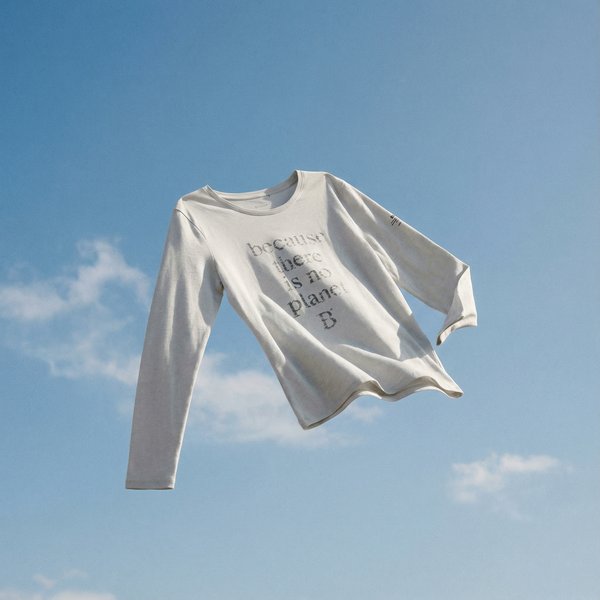
Ghost mannequin photography, also called invisible mannequin or hollow man photography, is a post-production technique that makes clothing appear to float in mid-air as if worn by an invisible person. The result is a clean, three-dimensional look that shows the garment's shape and fit without distracting the viewer with a model or mannequin.
This technique has become the gold standard for fashion e-commerce. Retailers like ASOS, Zara, and H&M use it extensively across their catalogs because it produces consistent, professional results that drive conversions. Shoppers can focus entirely on the product: its silhouette, stitching, and fabric drape.
The Traditional Ghost Mannequin Process
Traditionally, ghost mannequin photography requires a multi-step studio process. Each garment is photographed on a mannequin from multiple angles, then the mannequin is digitally removed in post-production. Inner labels, necklines, and sleeve openings need separate shots to fill in the gaps left by the removed mannequin.
- Dress the garment on a mannequin and pin for optimal fit
- Photograph the front, back, and detail views
- Remove the garment and photograph the inside (neck, sleeves, waistband)
- Composite the images in Photoshop, masking out the mannequin
- Blend the inner shots to create the hollow 3D effect
- Color-correct and retouch each final image
For a single garment, this process takes 30 to 60 minutes of studio time and another 20 to 40 minutes of post-production. Multiply that across a 200-piece seasonal collection, and you are looking at weeks of work and thousands of euros in costs.
Info
A typical fashion brand spends 15 to 30 EUR per image on traditional ghost mannequin post-production alone, before accounting for studio rental or photographer fees.
How AI Replaces the Traditional Process
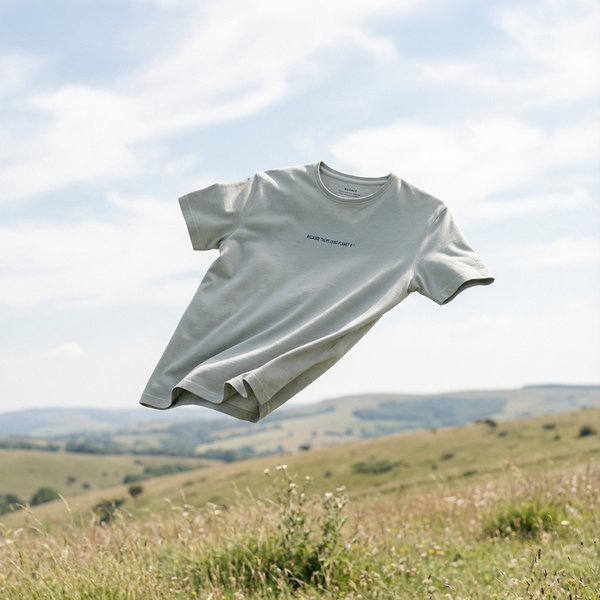
AI-powered ghost mannequin photography eliminates most of the studio workflow. Instead of physically dressing a mannequin and compositing images, you upload a single reference photo and the AI generates the floating garment effect automatically.
The AI understands fabric physics, garment construction, and how clothing drapes in three dimensions. It can produce the hollow-man effect from a flat-lay photo, a hanger shot, or even an on-model image. The result preserves the garment's exact colors, textures, and proportions.
- No mannequin pinning or dressing required
- No separate interior shots needed
- No Photoshop compositing or masking
- Process time: under 2 minutes per garment
- Consistent results across entire collections
- Works from any input: flat-lay, hanger, or on-model photos
On-Model vs Ghost Mannequin: When to Use Each
Ghost mannequin photography is not a replacement for on-model shots. Both serve different purposes in a fashion e-commerce strategy. On-model images show how a garment fits on a real body, communicates lifestyle and brand identity, and works for hero imagery and social media. Ghost mannequin images provide a clean, standardized view for catalog browsing and detailed product pages.
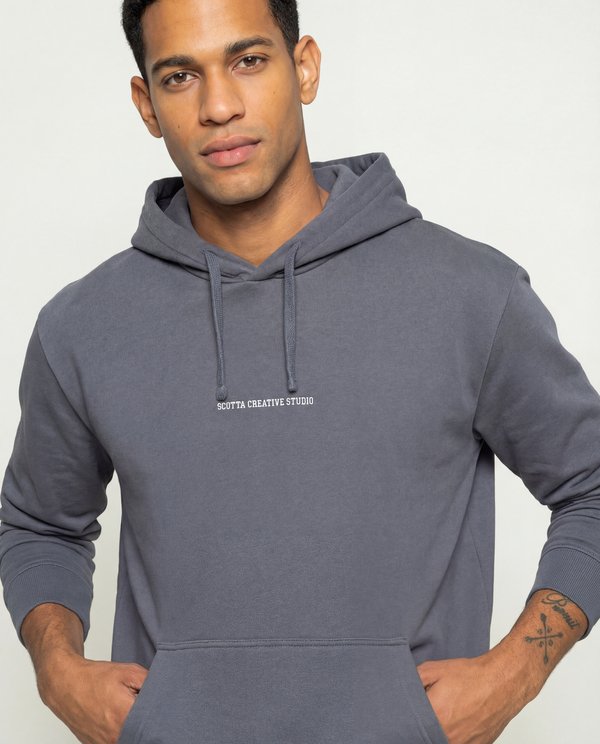
The best fashion e-commerce brands use both: ghost mannequin for the catalog grid where consistency drives browsing, and on-model shots for the product detail page where personality drives conversion.
Getting Started with AI Ghost Mannequin Photography
The fastest way to test AI ghost mannequin photography is to start with a small batch. Take 5 to 10 garments from your current collection, upload reference photos, and compare the AI output against your existing product images. Most brands see results that match or exceed their traditional workflow within the first batch.
- Prepare clean reference photos (good lighting, neutral background preferred)
- Upload to an AI photography platform with ghost mannequin capabilities
- Generate variations and compare against existing catalog images
- Evaluate consistency across different garment types (tops, bottoms, outerwear)
- Scale to full catalog once quality is validated
Tip
Start with simple garments like t-shirts and hoodies before moving to complex items like blazers or layered outfits. AI handles structured garments well, and the results will build confidence for more complex pieces.