
The Complete Guide to E-commerce Product Photography in 2026
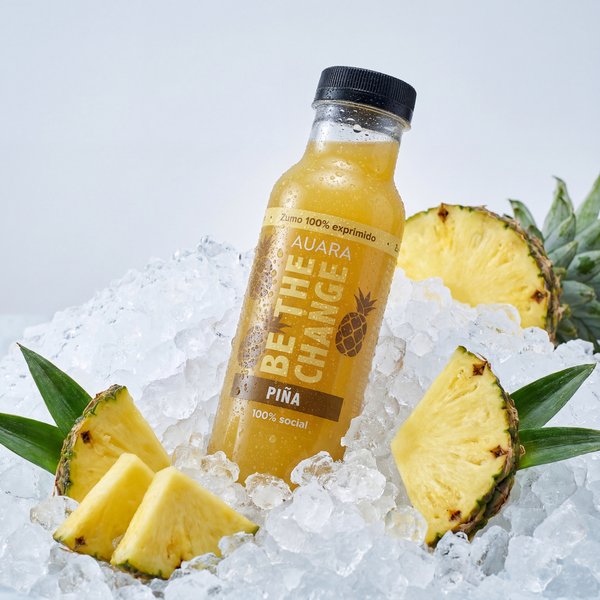
Why Product Photography Makes or Breaks E-commerce
In e-commerce, product photography is not just a visual asset. It is the primary interface between your product and the customer. Online shoppers cannot touch, hold, or try your product. They make purchase decisions based almost entirely on what they see. Studies consistently show that image quality is the number one factor influencing online purchase decisions, ahead of price, brand reputation, and product descriptions.
The stakes are high: products with poor photography see abandonment rates 2 to 3 times higher than products with professional imagery. Conversely, upgrading product photography is one of the highest-ROI investments an e-commerce brand can make, often yielding 25 to 40% conversion improvements.
Info
Amazon reports that listings with professional product photography receive 2x more clicks and 1.5x higher conversion rates compared to listings with amateur images. The same pattern holds across Shopify, social commerce, and D2C websites.
Types of E-commerce Product Photography
E-commerce product photography is not one-size-fits-all. Different types serve different purposes in the customer journey. Understanding when to use each type is essential for building a product page that converts.
- White background: clean, standardized product shots for catalog grids and marketplace requirements
- Lifestyle: product in real-world context for emotional connection and social media
- On-model: clothing and accessories shown on models to communicate fit and scale
- Ghost mannequin: floating garment effect for fashion catalogs without model distraction
- Flat-lay: overhead arrangement for accessories, food, cosmetics, and multi-product sets
- Detail and macro: close-up shots showing texture, stitching, and material quality
- 360-degree: interactive rotating views for high-consideration purchases
Most successful e-commerce brands use a combination of all these types. The product grid shows clean white-background images for easy browsing. The product detail page includes lifestyle shots, on-model images, and detail views to tell the full story.
White Background Photography: The Foundation
White background product photography is the foundation of every e-commerce catalog. It is required by Amazon, recommended by Shopify, and expected by consumers. The goal is simple: show the product clearly with no distractions. Colors must be accurate, proportions must be correct, and the product must fill 85% or more of the frame.
Traditionally, white-background photography requires a studio setup with controlled lighting, a seamless white backdrop, and careful post-production to ensure pure white backgrounds (RGB 255,255,255) without shadows or color casts. AI has simplified this dramatically: upload any product photo and generate clean white-background versions automatically.
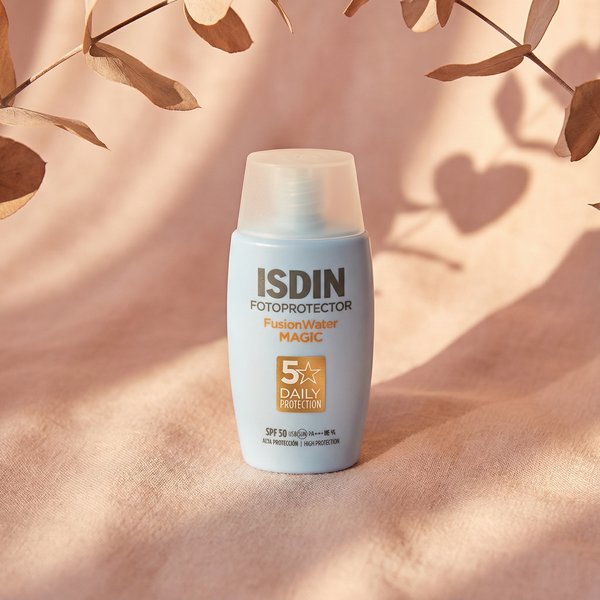
- Amazon requires pure white backgrounds (RGB 255,255,255) for main product images
- Product should fill 85% or more of the frame
- No props, watermarks, or text overlays on the main image
- Multiple angles: front, back, sides, and top view
- Minimum 1,000px on the longest side for zoom functionality
Lifestyle and Contextual Photography
Lifestyle product photography places your product in real-world contexts that resonate with your target audience. A skincare product on a bathroom shelf, a sofa in a styled living room, a backpack on a mountain trail. These images create emotional connections that white-background shots cannot achieve.
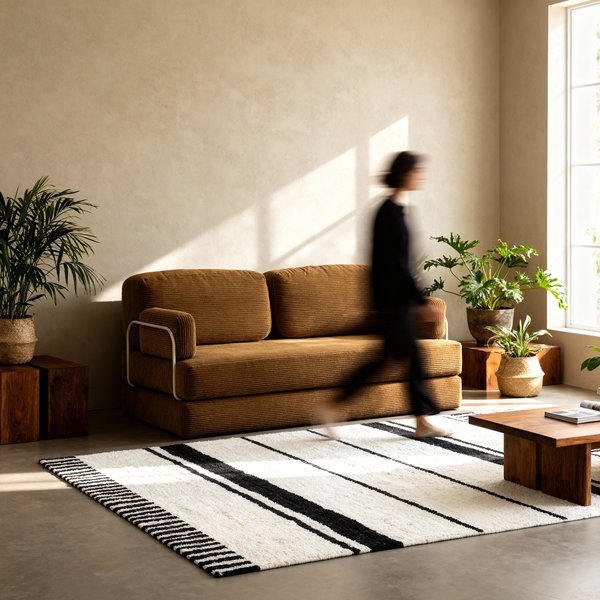
Lifestyle photography is particularly important for social media advertising and landing pages where you are trying to capture attention and communicate brand identity. On platforms like Instagram and Meta, lifestyle images consistently outperform white-background shots in engagement metrics.
Tip
AI has transformed lifestyle photography economics. Instead of scouting locations and hiring stylists, brands generate dozens of contextual scenes from a single product photo. Test different environments to see which contexts resonate most with your audience.
On-Model and Fashion Photography
For fashion, apparel, and accessories, on-model photography is essential. Customers need to see how a garment fits on a real body, how it drapes, and how it looks in motion. This is where the largest gap between traditional and AI photography exists, and where AI is closing it fastest.
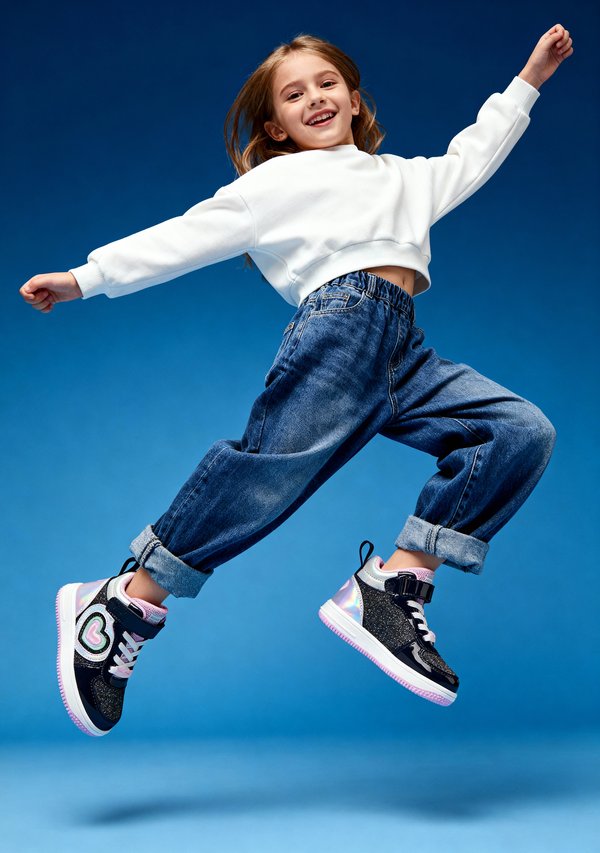
AI model photography lets brands generate on-model images from a flat garment photo. The AI understands body proportions, fabric drape, and natural poses, producing results that are increasingly indistinguishable from traditional model shoots. This is especially valuable for brands needing diverse representation across body types, ages, and demographics without the cost of booking multiple models.
- Show the product on a model whose body type matches your target audience
- Include at least front and back views for all garments
- Use natural poses that show how the garment moves and drapes
- Maintain consistent lighting and background across the collection
- Consider ghost mannequin as a cost-effective alternative for catalog grids
Cost Breakdown: Traditional vs AI Photography
The cost difference between traditional and AI product photography is dramatic, especially at scale. For a brand with 100 products needing 5 images each (500 total images), here is the realistic cost comparison.
- Traditional studio (white background): 7,500 to 25,000 EUR for 500 images
- Traditional lifestyle: 15,000 to 50,000 EUR for 500 images
- Traditional on-model: 20,000 to 60,000 EUR for 500 images (including model fees)
- AI photography (all types combined): 500 to 2,500 EUR for 500 images
- Cost reduction: 85 to 95% across all photography types
- Time reduction: weeks to hours for the same volume
The cost advantage of AI photography increases with volume. Brands with 500 or more SKUs see marginal costs approach zero per image, making it feasible to produce multiple image types for every single product in the catalog.
The smartest brands are not choosing between traditional and AI photography. They use AI for catalog-scale production and reserve traditional shoots for hero campaigns. This hybrid approach maximizes both quality and efficiency.
Platform-Specific Requirements
Each e-commerce platform and marketplace has specific image requirements. Failing to meet these requirements can result in listing suppression, lower search rankings, or outright rejection. AI photography tools that output platform-specific formats save significant time and reduce compliance errors.
- Amazon: pure white background, 1,000px minimum, JPEG/PNG, no text or borders on main image
- Shopify: recommended 2,048 x 2,048px square, consistent aspect ratio across catalog
- Instagram Shopping: 1:1 square for feed, 9:16 for Stories, high visual impact
- Meta Ads: minimal text (under 20%), lifestyle context preferred, multiple aspect ratios
- Google Shopping: white or light background, no promotional text, accurate product representation
- TikTok Shop: vertical format, lifestyle-first, authentic and unpolished aesthetic preferred
Tip
Generate all platform formats from a single reference image. AI can automatically crop, resize, and adapt backgrounds for each platform, ensuring compliance without manual work for each listing.