
AI Product Photography: The Complete E-Commerce Guide
What Is AI Product Photography?
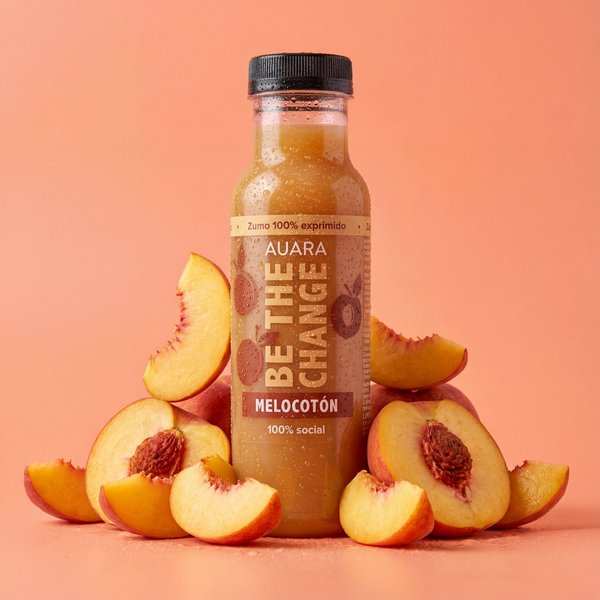
AI product photography uses generative AI models to create professional-quality product images without traditional photoshoots. Instead of booking studios, hiring photographers, and shipping samples, brands upload a reference image and generate hundreds of variations in minutes.
Modern AI models trained specifically on product imagery can preserve material textures, accurate colors, and precise details while placing products in any environment or context.
Why Brands Are Switching to AI
The shift to AI-generated product photography is driven by three factors: cost, speed, and creative flexibility. Traditional photoshoots for a single product line can cost thousands of euros and take weeks to complete.
- Cost reduction of 80-90% compared to traditional studio photography
- Time-to-market reduced from weeks to hours
- Unlimited creative variations without additional shoots
- Consistent quality across entire product catalogs
- No shipping of physical samples required
Tip
Start with your best-selling products. AI photography works best when you have clear reference images with good lighting and neutral backgrounds.
How AI Product Photography Works
The process is straightforward: upload a product image, describe the desired scene or background, and the AI generates photorealistic results. Behind the scenes, specialized models analyze product features, materials, and proportions to ensure accuracy.
- Upload a high-quality reference image of your product
- Select a scene template or describe a custom environment
- AI generates multiple variations preserving product details
- Review, refine, and export production-ready images
- Publish directly to your e-commerce platform
Quality Considerations
Not all AI photography tools are created equal. The key differentiator is product fidelity: how accurately the AI preserves your product details. Generic image generators often distort logos, alter textures, or change proportions.
The best AI photography tools are trained specifically on product imagery, not general-purpose images. This specialization is what makes the difference between usable results and obvious fakes.
Look for platforms that offer product-specific models with fine-tuning capabilities. This ensures your brand identity and product accuracy are maintained across every generated image.
Top Use Cases for E-Commerce
AI product photography excels in scenarios where traditional photography is expensive, slow, or logistically complex.
- Seasonal campaigns: Generate winter, spring, or summer contexts without reshoots
- A/B testing: Create multiple visual variants to test conversion rates
- Marketplace listings: Produce platform-specific images (Amazon, Shopify, social)
- International markets: Adapt backgrounds for different cultural contexts
- New product launches: Generate launch imagery before physical samples arrive
Getting Started
The fastest way to evaluate AI product photography is to test it with your own products. Upload a few reference images, generate variations, and compare the quality against your existing photography.
Info
Dreamshot offers a free trial with credits to generate your first AI product images. No studio booking required.